
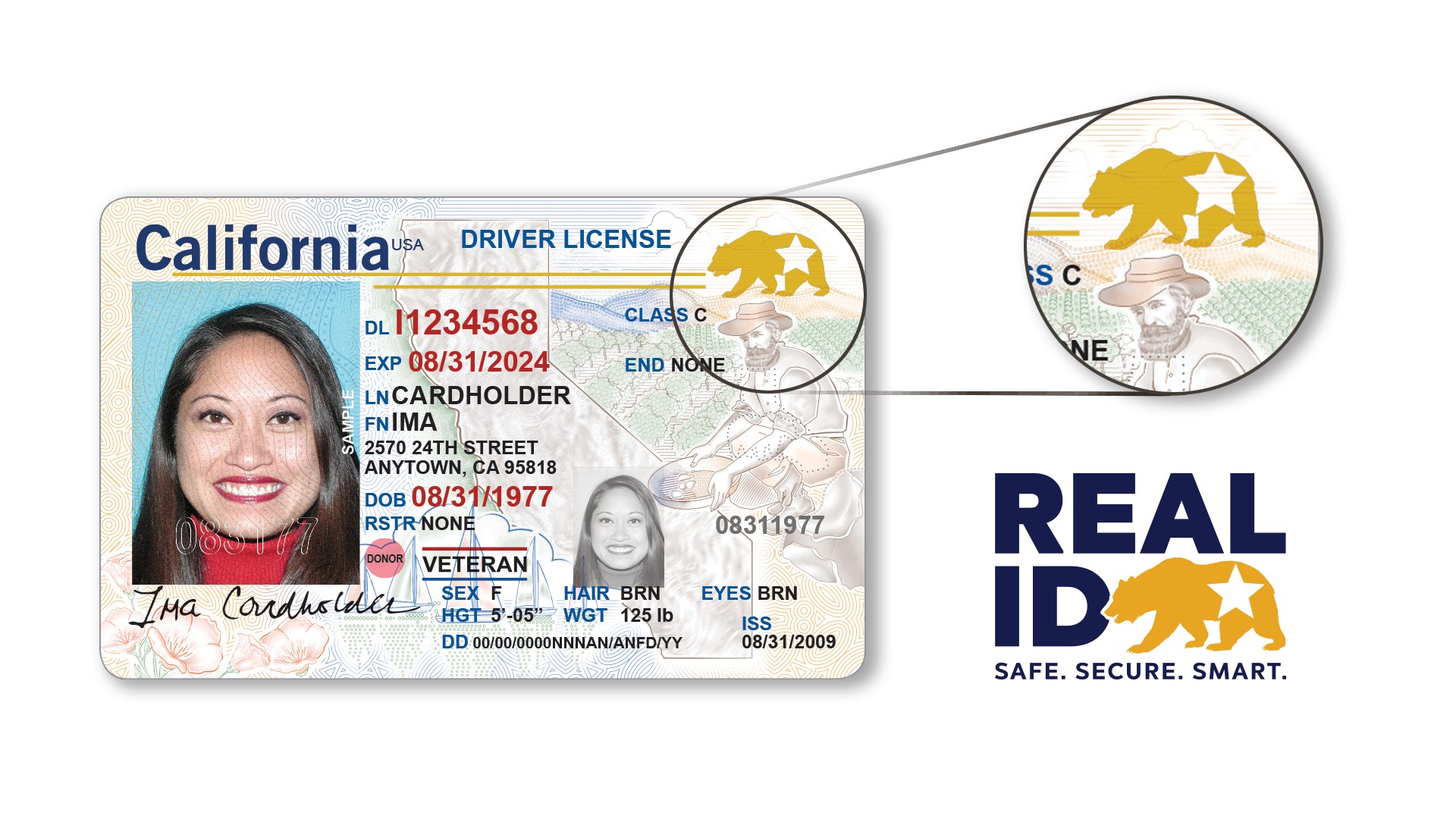
Non-citizens living in the United States are facing growing confusion over new Transportation Security Administration (TSA) identification requirements for domestic air travel following the nationwide enforcement of the REAL ID Act.
As of May 2025, TSA officially began requiring travelers age 18 and older to present a REAL ID-compliant driver’s license or another federally accepted form of identification when boarding domestic flights within the United States. Standard state IDs that are not REAL ID compliant are no longer automatically accepted at airport security checkpoints. (TSA Acceptable Identification)
The changes have raised concerns among immigrants, visa holders, asylum applicants, international students, and undocumented residents who may only possess regular state identification cards. Many travelers are now questioning whether they can still use normal state IDs for interstate travel between states such as Washington, California, Texas, or New York.
According to TSA guidance, non-citizens can still fly domestically if they present another acceptable form of identification, including a valid foreign passport, Permanent Resident Card (Green Card), Employment Authorization Document (EAD), Border Crossing Card, or certain DHS trusted traveler cards. (TSA Identification Requirements)
Immigration attorneys and travel experts say a standard state ID without REAL ID compliance may no longer be sufficient by itself for airport screening. REAL ID-compliant cards are typically marked with a gold or black star in the upper corner of the license or identification card. (TSA REAL ID Information)
For travelers who arrive at the airport without a REAL ID or another approved document, TSA recently introduced a new “ConfirmID” verification process. Beginning February 1, 2026, travelers without acceptable identification may be required to pay a $45 fee for additional identity verification screening before being allowed through security checkpoints. (TSA ConfirmID Update)
TSA states that passengers who cannot verify their identity successfully through the ConfirmID process could be denied access to the secure boarding area entirely. Officials continue encouraging travelers to obtain REAL ID-compliant identification or carry an alternative federally accepted document before arriving at the airport. (TSA ConfirmID Program)
In Washington State, residents may apply for an Enhanced Driver License (EDL) or Enhanced Identification Card (EID), both of which meet federal REAL ID standards for domestic air travel. The Port of Seattle also reminds travelers that foreign passports and immigration documents remain acceptable alternatives for TSA screening. (Port of Seattle REAL ID Guide)
Travel advocates warn that confusion over the new rules may lead to missed flights, delays, and anxiety among immigrant communities unfamiliar with the changing federal identification requirements. Community organizations are encouraging travelers to verify their documents before booking flights to avoid problems at airport security checkpoints.
Official TSA resources for travelers:
• Acceptable TSA Identification
• REAL ID Information
• TSA ConfirmID Program
• Port of Seattle REAL ID Travel Guide
Sources: Transportation Security Administration (TSA), Port of Seattle.